
Seasonal Landscaping Tips: Preparing Your Yard for Winter
Preparing Your Yard for Winter
As the vibrant colors of autumn begin to fade, it's time for North Carolina homeowners to turn their attention to winter preparations. While our winters can be milder than those in other parts of the country, they still bring frost, occasional freezes, and unique challenges for our landscapes. Properly preparing your yard now not only protects your investment in plants and equipment but also sets the stage for a lush, healthy return in the spring.
Timing is Everything: When to Start Winter Prep
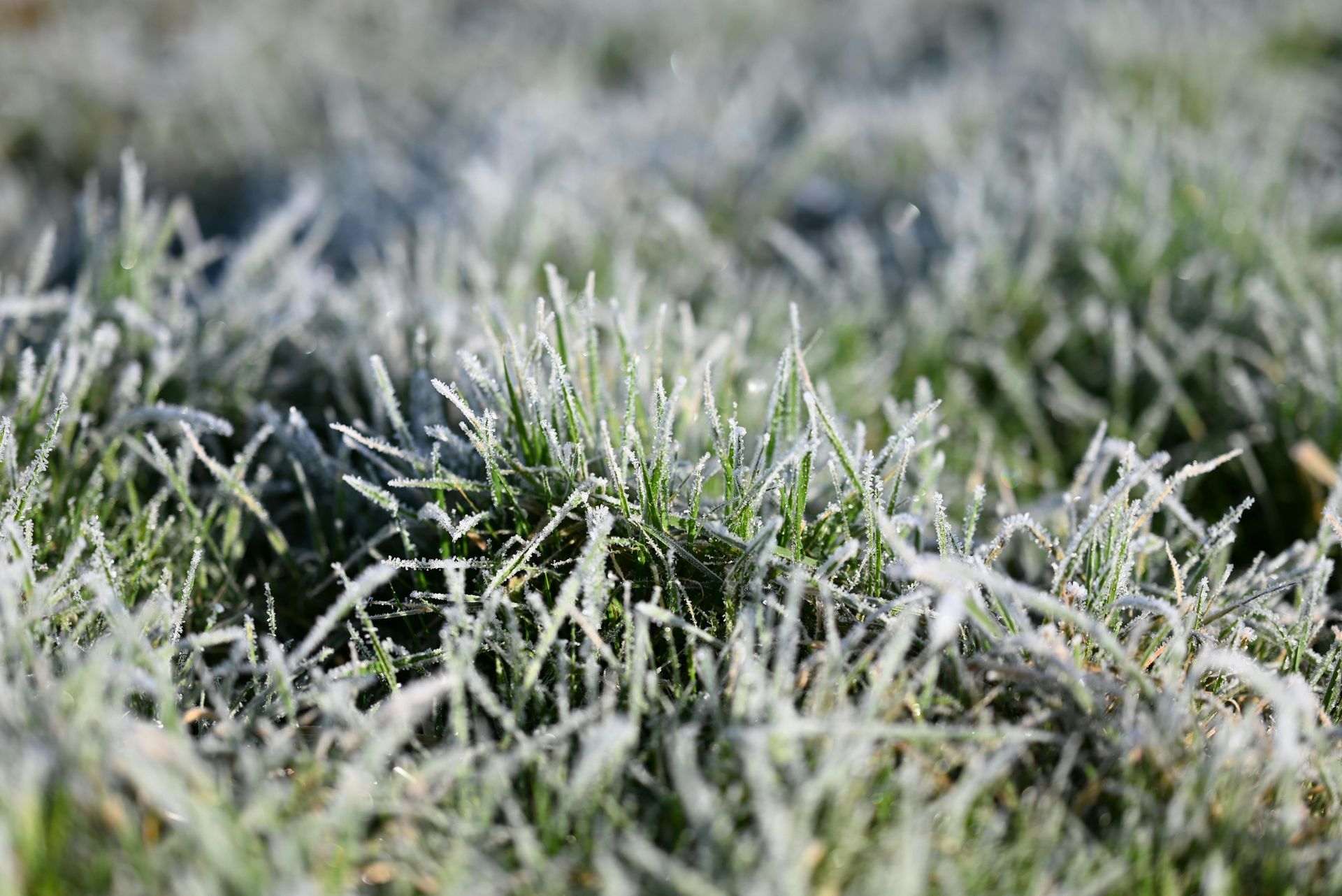
In North Carolina, the transition from fall to winter can be unpredictable. We might enjoy warm, sunny days well into November, only to be hit with a sudden cold snap. The key is to watch the weather forecasts closely. Generally, you should aim to complete most of your winter prep tasks after the first light frost but before the first hard freeze (when temperatures drop below 28°F for several hours).
Piedmont & Coastal Plain: Typically, you can begin your major tasks in late October and continue through November.
Mountain Regions: Due to higher elevations and earlier cold weather, start your preparations in early to mid-October.
Waiting for the first frost allows your plants to begin their natural dormancy process, making them more resilient.
Protecting Your Plants from Frost and Freezes
Even a light frost can damage tender perennials, tropical plants, and new plantings. A hard freeze can be fatal to many species not suited for our climate zone. Here’s how to give your plants a fighting chance.
Identify Vulnerable Plants
Walk through your yard and identify which plants need extra protection. These typically include:
- Tender perennials like lantana, verbena, and some salvias.
- Tropical plants you may have in containers, such as hibiscus or mandevilla.
- Newly planted shrubs, trees, and perennials that haven't established strong root systems.
- Broadleaf evergreens like camellias and gardenias, which can suffer from leaf burn in cold, windy conditions.
Provide Insulation and Cover
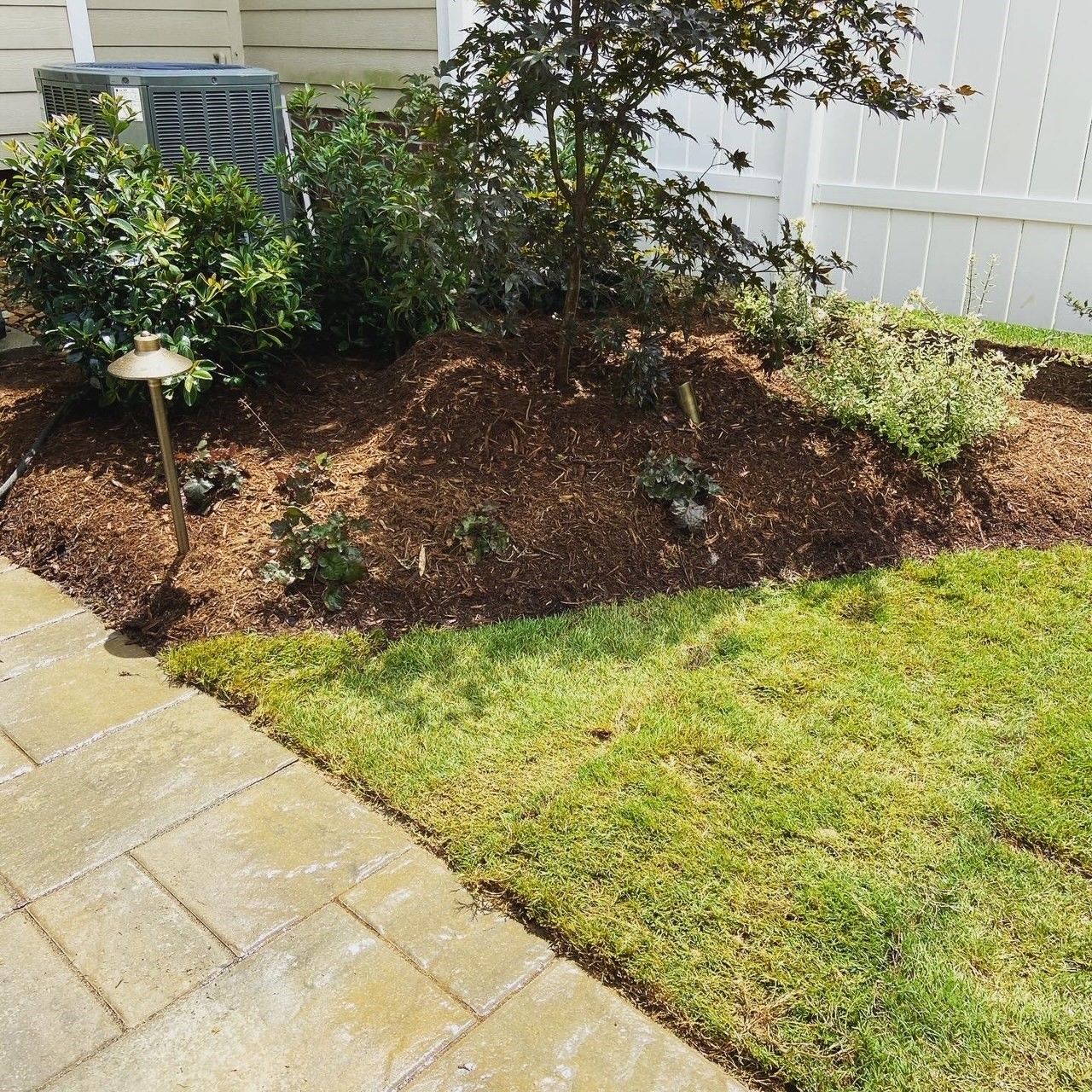
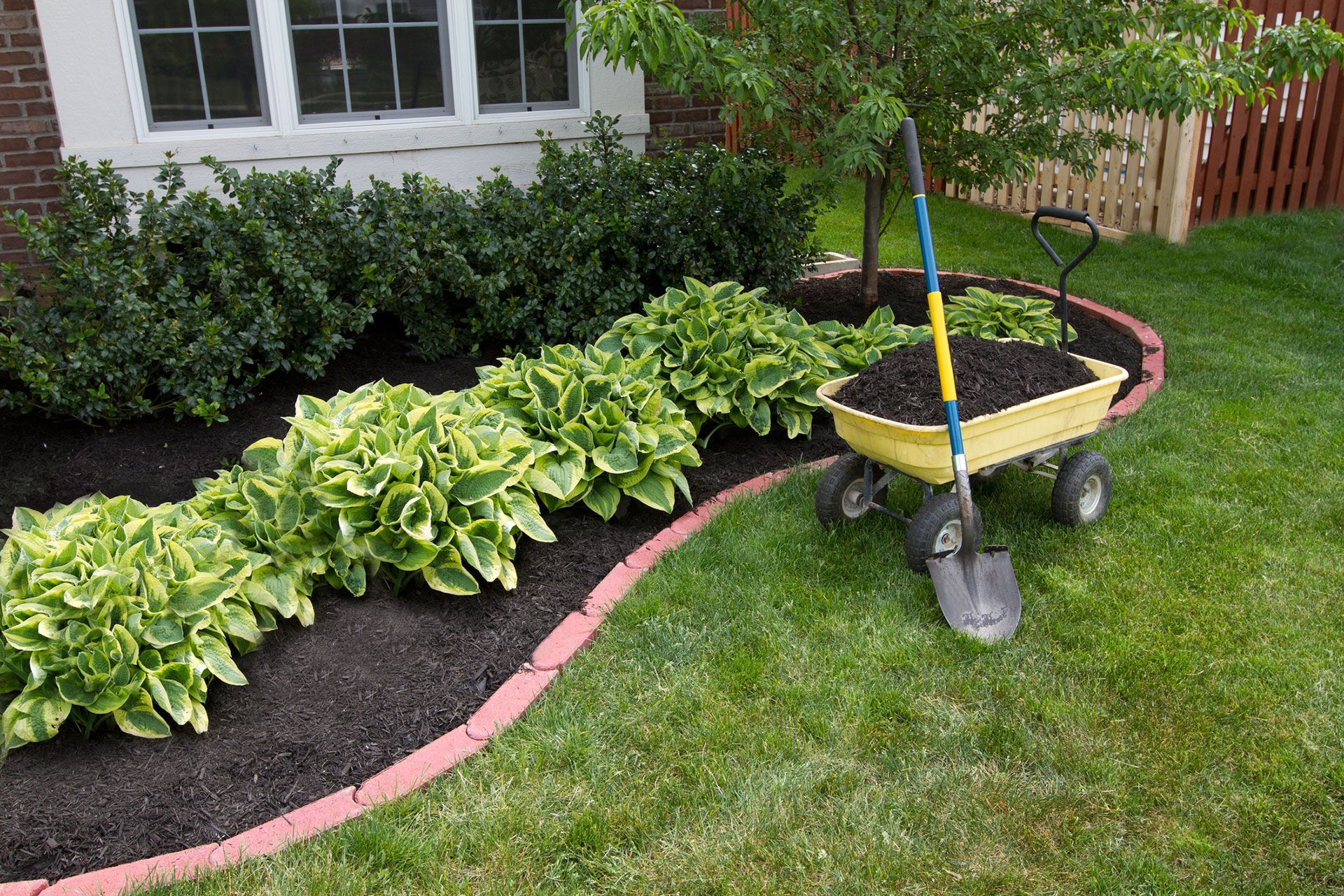
- Mulch: Apply a 2-3 inch layer of organic mulch (like pine straw, shredded bark, or compost) around the base of your plants. Mulch insulates the soil, protecting the root systems from extreme temperature fluctuations. Avoid piling it directly against the stems or trunk, which can encourage rot.
- Cover Up: For smaller plants, use frost cloths, old bedsheets, or burlap to cover them before sunset. Drape the cover over the plant so it reaches the ground, trapping radiant heat from the soil. Use stakes if necessary to keep the material from weighing down and breaking the branches. Remove the covers in the morning once temperatures rise above freezing to allow for air circulation and sunlight.
- Bring Them Inside: Move all potted tropical and non-hardy plants into a garage, shed, or indoors before the first hard freeze. They can add a touch of green to your home during winter.
Winterizing Your Irrigation System
While you can attempt to drain the system manually, the most effective method is a "blow-out" using an air compressor. This process forces all remaining water out of the lines.
- Shut off the water supply to the irrigation system.
- Attach an air compressor to the mainline via a designated connection point.
- Set the compressor to a low pressure (typically 40-80 PSI) to avoid damaging components.
- Systematically open each zone, one at a time, using your controller. Allow the compressed air to blow through the pipes until only a fine mist emerges from the sprinkler heads.
- Close the zone and move to the next one until the entire system is cleared.
Due to the risk of injury from high-pressure air and potential damage to the system if done incorrectly, many homeowners prefer to hire a professional for this task.
CONTACT US TODAY
TO SCHEDULE A LAWN MAINTENANCE PLAN!
By taking these steps, you can ensure your landscape is protected from winter's chill and ready for a spectacular show next spring. A little effort now pays big dividends for the health and beauty of your North Carolina yard.
Ready to get started? Make a checklist of the tasks above and tackle them one by one, or enlist professional help for jobs like irrigation blow-outs, specialized pruning, or landscape design updates. If you’re unsure where to begin, reach out to a local landscaping expert—they can assess your yard’s unique needs and recommend the best plan of action. Give your yard the care it deserves this winter, and enjoy the rewards throughout the new year!
If you find yourself short on time or struggling to maintain your landscaping later in the year, we encourage you to contact us today to schedule a lawn maintenance service!